


AC Running but Not Cooling? 9 Common Causes and What to Do
July 25, 2026
or give us a call at
If your air conditioner is running but not cooling, the most common causes are a dirty air filter, wrong thermostat settings, frozen evaporator coils, dirty condenser coils, low refrigerant, a tripped breaker, blocked vents, a clogged drain line that tripped a safety switch, or an aging or undersized system. A few of these you can fix yourself in minutes, while others need a licensed technician. The quick wins are checking the filter, the thermostat, and the breaker before calling for service.
At Florida Cool, we repair and maintain air conditioning systems across South Florida, where the heat and humidity push AC units harder than almost anywhere in the country. We diagnose no-cooling calls every day during our long cooling season, so the causes below are ordered roughly from the most common and easiest to check to the ones that need a professional.
Start with the quick checks, then work through the causes one by one.
In This Guide
- Quick checks to try first: Three things to rule out in minutes.
- The 9 common causes: What is actually going wrong.
- The 9 causes at a glance: Cause, symptom, and DIY vs pro.
- Causes you can often fix yourself: Simple fixes to try.
- Causes that need a professional: When to call for service.
- Why this happens so often in Florida: Heat, humidity, and constant run time.
- How to prevent no-cooling problems: Keeping it from happening again.
- Frequently asked questions: Quick answers to common questions.
Quick Checks to Try First
Before assuming the worst, rule out the simple stuff. A surprising number of no-cooling calls come down to one of these three things, and all take just a minute to check yourself.
The Three-Minute Checklist
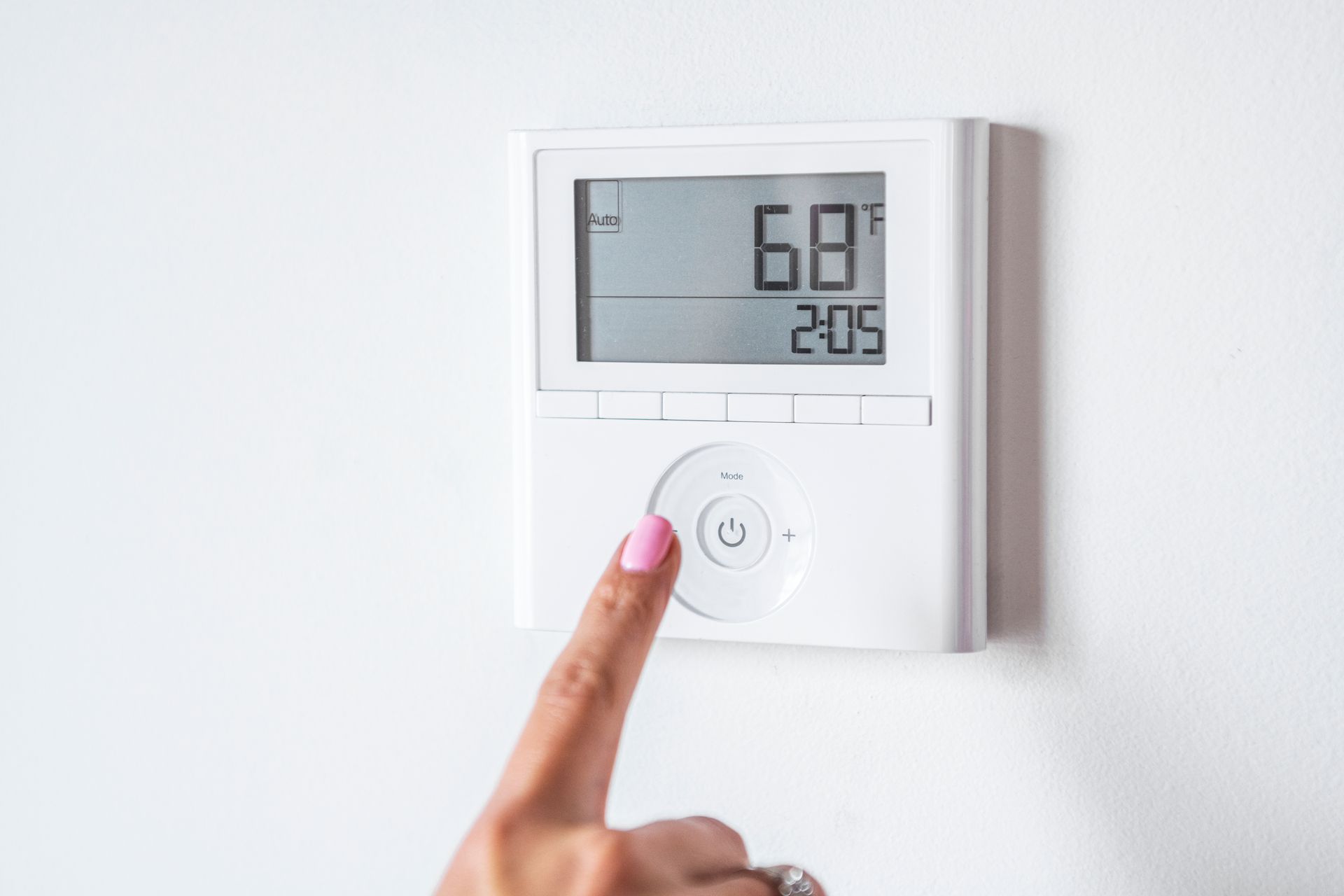
- Check the thermostat. Confirm it is set to cool, the temperature is below the room temperature, and the fan is set to auto rather than on.
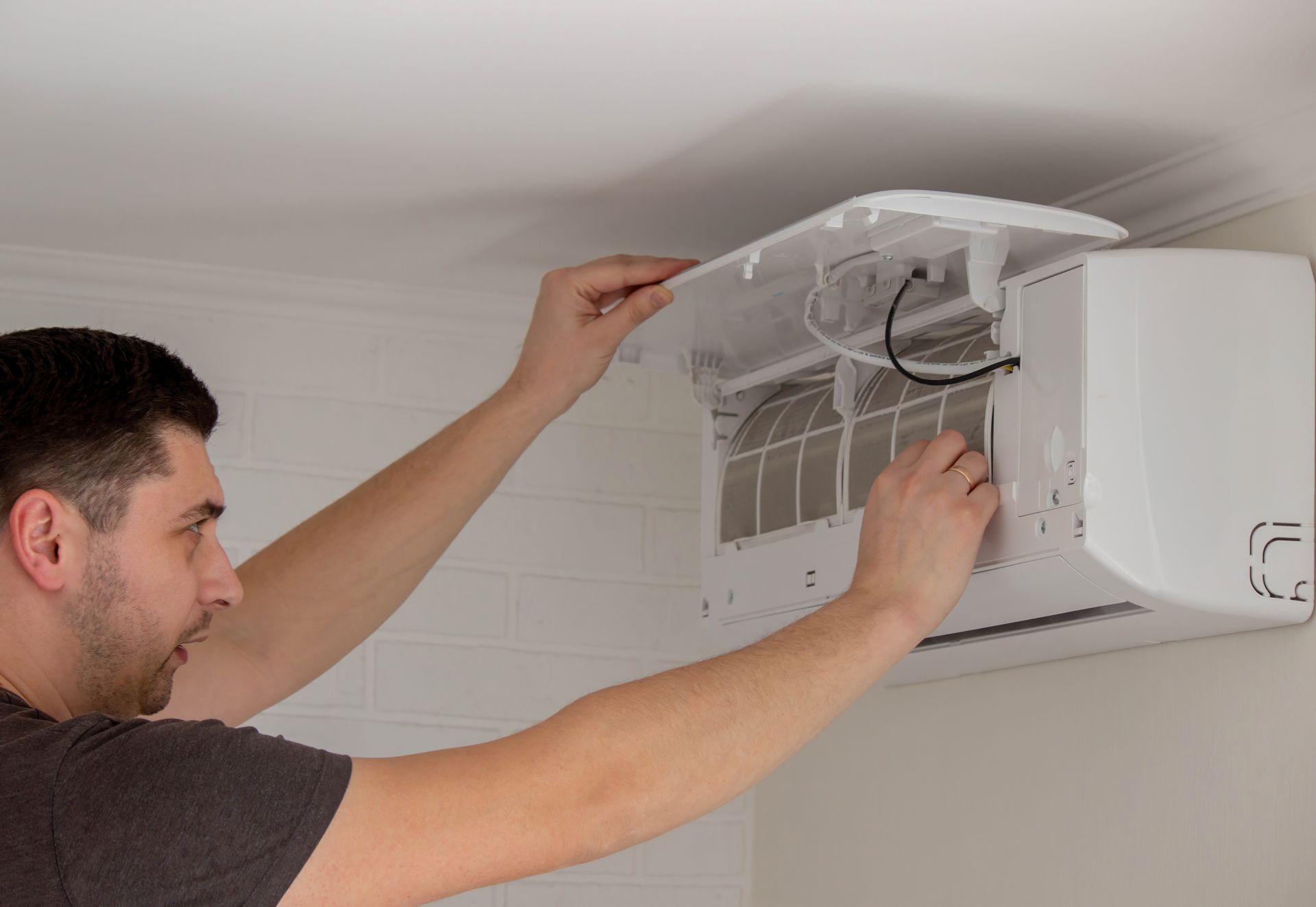
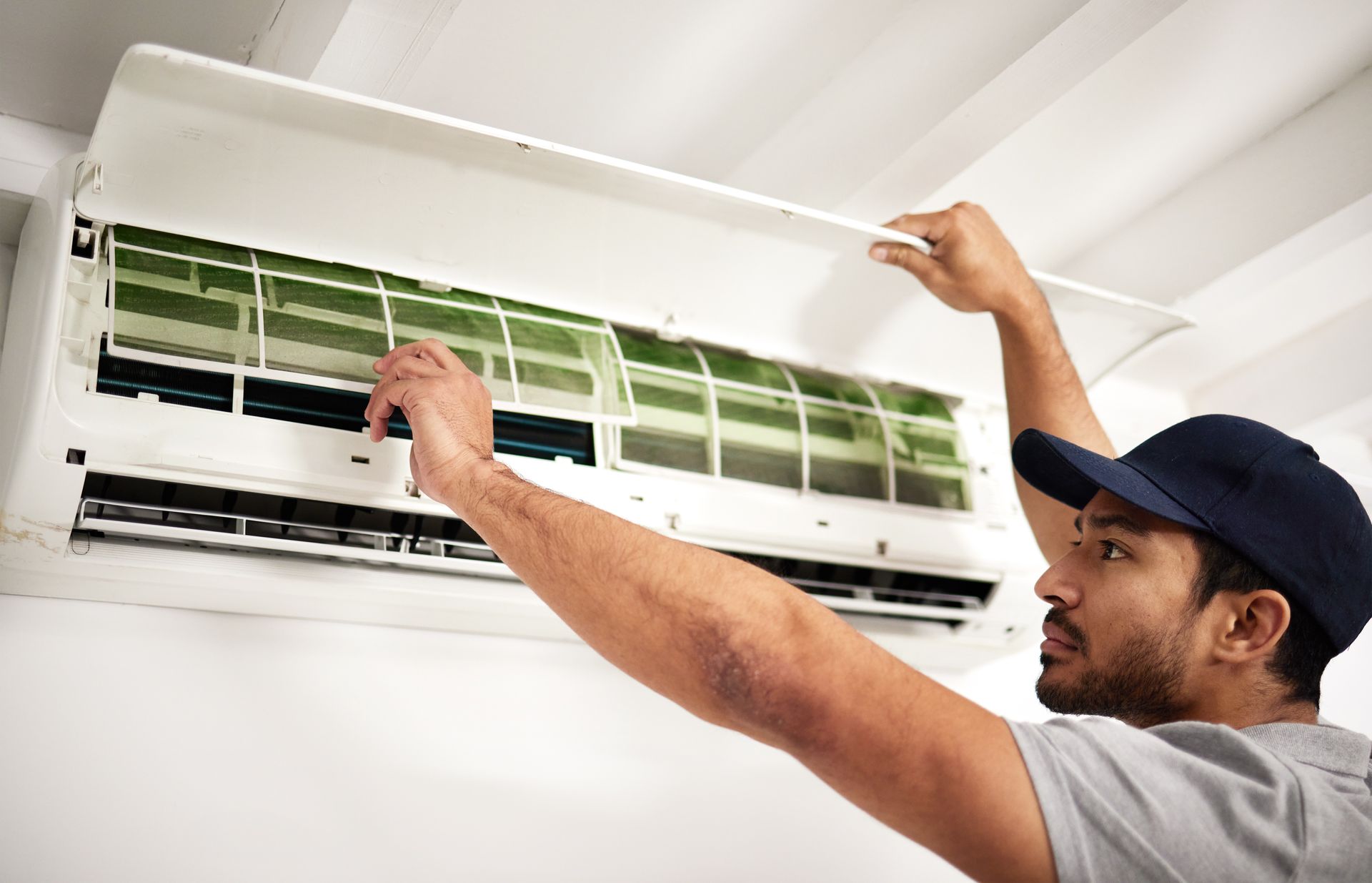
- Check the air filter. If it is gray and clogged, that alone can stop cool air from moving.
- Check the breaker. A tripped breaker to the outdoor unit lets the indoor fan run while no cooling happens.
If none of these solves it, the problem is one of the causes below. Working through them in order usually points to the culprit.
The 9 Common Causes
When an AC runs but blows warm or weak air, the cause almost always falls into one of these nine categories. Here is what each one means, grouped by the type of problem behind it.
Airflow Problems
Many no-cooling issues are really airflow issues. If air cannot move properly across the system, you feel it as weak or warm air at the vents.
- Dirty air filter: a clogged filter chokes airflow and can freeze the coils.
- Blocked or closed vents: furniture over vents or too many closed registers starve the system.
- Dirty evaporator coil: buildup on the indoor coil reduces its ability to absorb heat.
Temperature and Control Problems
Sometimes the system is fine and the settings or controls are the issue. These are worth ruling out early.
A thermostat set incorrectly, with dead batteries, or placed in direct sun can misread the room and cause poor cooling. A smart thermostat that is misconfigured can do the same, which our guide to smart thermostats can help you sort out.
Mechanical and Refrigerant Problems
The remaining causes are mechanical and usually need a professional. These are the ones behind most persistent no-cooling calls.
- Frozen evaporator coil: ice on the coil blocks cooling, often from airflow or refrigerant issues.
- Low refrigerant: a leak leaves the system unable to absorb heat properly.
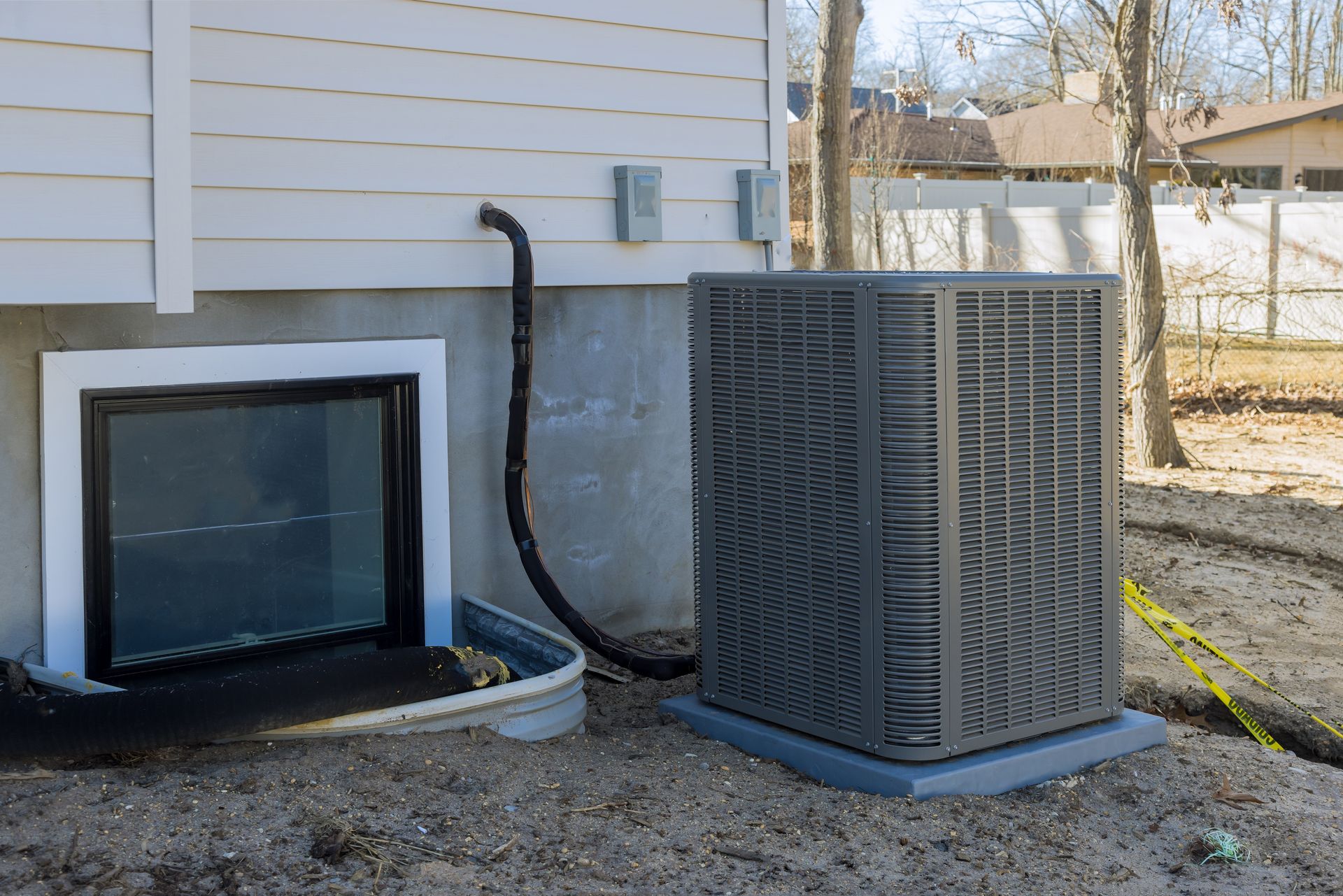
- Dirty condenser coil: a filthy outdoor coil cannot release heat outside.
- Clogged drain line: a full drain pan can trip a safety switch that stops cooling.
- Aging or undersized system: an old or too-small unit may simply not keep up.
The 9 Causes at a Glance
This table sums up each cause, how you would notice it, and whether it is a DIY fix or a job for a technician.
| Cause | How You Notice It | DIY or Pro |
|---|---|---|
| Dirty air filter | Weak airflow, gray filter | DIY |
| Thermostat settings | Wrong mode or reading | DIY |
| Tripped breaker | Outdoor unit silent | DIY reset once |
| Blocked vents | Uneven cooling | DIY |
| Frozen evaporator coil | Ice on the unit, no cool air | Pro |
| Low refrigerant | Warm air, possible hissing | Pro |
| Dirty condenser coil | Warm air, dirty outdoor unit | Pro |
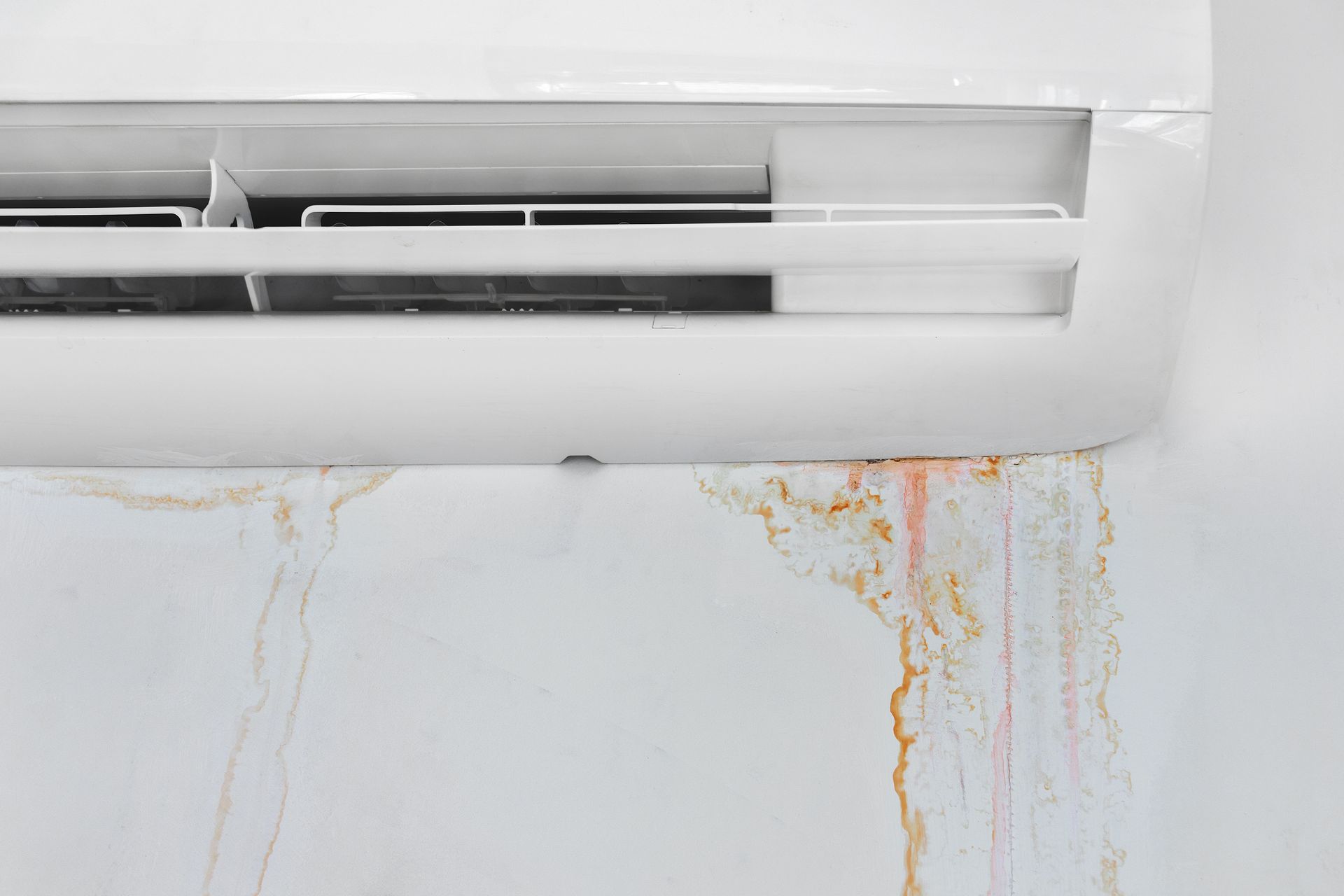
| Clogged drain line | System shut off, water near unit | Pro |
| Clogged drain line | Runs constantly, never cools | Pro |
Use the table to point yourself toward the likely cause, then follow the DIY steps or call for service depending on which one fits.
Causes You Can Often Fix Yourself
Some of these you can handle without any tools or experience. Start here before calling for service, since these fixes are free and fast.
Replace the Air Filter
A dirty filter is the single most common cause of poor cooling, and replacing it is the easiest fix. When the filter clogs, airflow drops, cooling suffers, and the coils can even freeze.
Check your filter monthly during our long cooling season and replace it when it looks gray or dusty. In many Florida homes running the AC nearly year-round, that means more often than the packaging suggests.
A clean filter also protects the rest of the system. When airflow is restricted, the whole unit works harder and wears faster, so a habit as simple as changing the filter can prevent bigger, costlier problems down the line.
Fix the Thermostat and Vents
Confirm the thermostat is set to cool and below room temperature, and swap the batteries if it uses them. A thermostat in direct sun or near a heat source can misread the temperature and should be checked.
Then walk the house and make sure vents are open and unblocked by furniture, rugs, or curtains. Keeping the majority of registers open lets the system breathe and cool evenly.
Closing too many vents to redirect air is a common mistake that actually strains the system rather than helping it. Air conditioners are sized to move a certain volume of air, so choking off vents can raise pressure, hurt efficiency, and contribute to the very cooling problems you are trying to solve.
Reset a Tripped Breaker
If the outdoor unit has lost power, the indoor fan can still run and blow room-temperature air. Check your electrical panel for a tripped breaker to the AC and reset it once.
If the breaker trips again right away, stop and call a professional. A repeatedly tripping breaker signals an electrical problem that should not be reset over and over.
Resetting a breaker more than once can be dangerous and can point to a failing component drawing too much current. If a single reset does not hold, leave it off and have the system inspected rather than forcing it back on.
Causes That Need a Professional
The remaining causes involve refrigerant, sealed components, or electrical work that require training, tools, and often a license to handle safely. Trying to fix these yourself can damage the system or be dangerous.
Refrigerant and Coil Issues
Low refrigerant almost always means a leak, and adding refrigerant without finding the leak is only a temporary patch. A technician can locate the leak, repair it, and recharge the system correctly.
Frozen or dirty coils also usually need professional attention. A frozen evaporator coil needs to be thawed and the underlying cause found, while a dirty condenser coil needs proper cleaning to release heat again.
If you find ice on the system, turn the AC off and switch the fan to on to help it thaw, but do not chip at the ice. Running a frozen system can damage the compressor, which is the most expensive part to replace, so it is worth shutting down and calling for service rather than pushing it through.
Drain Line and System Age
A clogged condensate drain line can back up and trip a float safety switch that shuts down cooling to prevent water damage. Clearing it promptly restores cooling, and our guide on a clogged AC drain line walks through the signs and safe next steps.
If your system is old, undersized, or breaking down repeatedly, no single repair may fully solve the problem. A professional can assess whether repair or replacement makes more sense, and our AC repair team can diagnose exactly what is going on.
An undersized system is worth flagging, since it often masquerades as a repair problem when it is really a sizing problem. If your AC runs nonstop and still cannot keep up on the hottest days, the unit may simply be too small for the space, which no amount of repair will fix.
Why This Happens So Often in Florida
No-cooling problems are more common here than in most of the country, and our climate is the reason. Understanding that helps explain why maintenance matters so much locally.
Constant Run Time
Florida air conditioners run harder and longer than almost anywhere else. In much of the state, the AC works nearly year-round, so components wear faster and small problems surface sooner.
That constant demand means a marginal system with a dirty filter or low refrigerant will struggle here in ways it might not in a milder climate. The heat exposes weaknesses quickly.
There is also little off-season for the system to rest and for you to catch problems during mild weather. An AC in Florida essentially works through what would be three or four cooling seasons elsewhere in a single year, which is why local systems often show their age sooner.
Heat and Humidity
Our intense heat and high humidity put extra strain on the system. High humidity makes coils more prone to freezing and drain lines more prone to algae and clogs, both of which stop cooling.
The combination of heavy use and demanding conditions is why regular maintenance is so valuable in Florida. It catches the small issues before a hot afternoon turns them into a no-cooling emergency.
Humidity plays a bigger role here than most homeowners realize. Beyond cooling the air, your AC is constantly pulling moisture out of it, which means more condensate flowing through the drain line and more opportunity for the algae and clogs that can shut a system down.
How to Prevent No-Cooling Problems
Most no-cooling calls are preventable. A little regular attention keeps the common causes from ever becoming a problem on the hottest day of the year, and it costs far less than an emergency repair.
Simple Habits That Help
- Change the filter regularly, more often during heavy-use months.
- Keep the outdoor unit clear of leaves, grass, and debris.
- Keep vents open and unobstructed throughout the home.
- Watch for early warning signs like weak airflow or longer run times.
Schedule Regular Maintenance
The best prevention is a professional tune-up before the peak of cooling season. A technician checks refrigerant, cleans coils, clears the drain line, and catches small issues early.
Regular maintenance is the difference between a system that runs reliably through a Florida summer and one that fails when you need it most. Our maintenance and tune-up service is built around keeping systems cooling through the heat.
For homeowners who would rather not track it themselves, a maintenance plan handles the scheduling and keeps the system on a consistent care routine. Either way, the goal is the same: catch the small, common causes on this list during a calm checkup rather than during a heat wave.
Getting Your AC Cooling Again
An AC that runs but does not cool almost always traces back to one of these nine causes, and the quick checks, filter, thermostat, and breaker, solve a good share of them. The rest come down to refrigerant, coils, the drain line, or system age, which a professional can diagnose and fix.
At Florida Cool, we help South Florida homeowners get their AC cooling again fast, and keep it running through our demanding climate. When the quick checks do not do it,
reach out to our team or schedule
AC repair. We will find the real cause and get your home comfortable again.
Got Questions?
Frequently Asked Questions
Why is my AC running but blowing warm air?
The most common reasons are a dirty air filter choking airflow, a thermostat set incorrectly, a tripped breaker to the outdoor unit, or low refrigerant. Start by checking the filter, thermostat, and breaker, then call a professional if warm air continues.
Can a dirty filter really stop my AC from cooling?
Yes. A clogged filter restricts airflow enough to weaken cooling and can even cause the evaporator coil to freeze over, which stops cooling entirely. Replacing a dirty filter is the easiest and most common fix for poor cooling.
Why does my AC freeze up in the Florida heat?
A frozen evaporator coil usually comes from restricted airflow, often a dirty filter or blocked vents, or from low refrigerant. Our high humidity makes freezing more likely, so turn the system off to let it thaw and have the cause checked.
Should I add refrigerant myself if my AC is not cooling?
No. Low refrigerant almost always means a leak, and handling refrigerant requires a license. Adding more without repairing the leak is only temporary, so a technician should locate the leak, fix it, and recharge the system properly.
When should I call a professional for an AC that is not cooling?
If the quick checks of the filter, thermostat, and breaker do not restore cooling, or if the breaker keeps tripping, call a professional. Refrigerant, coil, drain line, and electrical issues all need trained, licensed service to fix safely.
Recent Posts