
How Much Does a New Air Conditioner Cost in Florida? 2026 Guide
September 21, 2026
or give us a call at
Quick answer: For a typical South Florida home, a professionally installed central AC or heat pump replacement runs about $6,500 to $13,000 in 2026. Most 3-ton like-for-like changeouts at the code-minimum efficiency land in the $6,500 to $10,500 window, while 4 and 5-ton variable-speed systems reach $11,000 to $17,000. If your ductwork also needs to be replaced, the total can approach $20,000.
Florida Cool is a licensed and insured HVAC contractor based in Boca Raton, serving Palm Beach and Broward counties under Class B Certified Air Conditioning Contractor License #CAC1824283. We quote replacements every week in this market, so the numbers below reflect what South Florida homeowners are actually being charged in 2026, including two things that changed this year and are pushing quotes up.
Prices below are planning ranges. The only real number comes from a load calculation and a written, itemized proposal on your specific house.
In This Guide
- 2026 cost by system size
- Why 2026 quotes are higher than 2024 quotes
- The efficiency minimum that applies in Florida
- What should be included in the price
- South Florida cost factors other guides skip
- Repair or replace: the break-even math
- How to compare three quotes fairly
- Get an itemized quote
- New AC cost FAQs
2026 cost by system size
AC capacity is measured in tons, where one ton equals 12,000 BTU of cooling per hour. Size drives price more than brand does, and in South Florida the home-size-to-tonnage relationship is tighter than the national rules of thumb suggest because of our humidity load.
| System size | Home size it typically serves here | Installed range, 2026 |
|---|---|---|
| 2 to 2.5 tons | Roughly 900 to 1,400 sq ft, condos and small ranches | $6,000 to $9,000 |
| 3 tons | Roughly 1,400 to 1,800 sq ft, the most common changeout | $6,500 to $10,500 |
| 3.5 to 4 tons | Roughly 1,800 to 2,300 sq ft | $8,500 to $13,500 |
| 5 tons | Roughly 2,300 to 3,000 sq ft | $10,500 to $17,000 |
Another way to sanity-check a quote is per ton. Base-tier equipment installed generally works out to somewhere around $1,900 to $2,600 per ton, while high-efficiency variable-speed systems run closer to $2,600 to $3,400 per ton. If a quote comes in far below that, something has been left out of the scope, and it is usually the permit, the drain line, the electrical disconnect, or the duct transition.
Straight-cool versus heat pump matters less to the price than people expect. Heat pumps typically add a modest premium and dominate new installs in Florida, because they heat far more efficiently than electric strip heat during our few cold snaps.
Why 2026 quotes are higher than 2024 quotes
If you priced a system two years ago and are shocked now, two regulatory changes explain most of the gap.
The refrigerant changed
R-410A is being phased out of new residential equipment, and new systems now ship with A2L refrigerants, most commonly R-454B. The refrigerant itself is only part of it. The A2L classification is mildly flammable, so it brought new leak-detection requirements, new tooling for contractors, and different handling procedures on every install and service call.
The practical effect on your quote is equipment that costs more than the R-410A models it replaced, plus slightly longer labor. Across the industry, prices have moved up roughly 5 to 10 percent compared with early 2024 on that basis alone.
There is a related trap. Remaining R-410A inventory sometimes gets sold off cheap. It can still be installed in some cases, but service refrigerant gets scarcer and more expensive every year, so a bargain today can turn into a costly repair in year six.
Labor and materials
Copper, sheet metal, and skilled labor have all risen, and summer is the worst time to buy. Emergency replacement during a July heat wave commonly carries a 10 to 25 percent premium over the same job scheduled in a shoulder month, because crews are booked and overtime is real.
The efficiency minimum that applies in Florida
This is where most cost guides get it wrong, and it directly affects your price.
The federal minimum is set by region, not by state, and Florida sits in the Southeast region. For split-system air conditioners the minimum is 14.3 SEER2 for units under 45,000 BTU and 15.2 SEER2 for units at 45,000 BTU and above. That second number is the one that gets missed: 45,000 BTU is 3.75 tons, so every 4-ton and 5-ton system installed in Boca Raton has to meet a higher floor than the 14.3 figure you see quoted all over the internet.
Two consequences for your budget:
- Larger homes start from a higher baseline. If your house needs 4 tons, the cheapest legal system available to you costs more than a neighbor's 3-ton equivalent, beyond the capacity difference.
- SEER2 is not the old SEER. The testing method changed in 2023 and uses realistic duct static pressure, so a SEER2 number reads about 5 percent lower than the SEER number on the same equipment. A quote written as "16 SEER" is often 14.3 SEER2 equipment described with legacy labeling. Ask for the AHRI certificate.
Whether to pay up for higher efficiency is a runtime question. Our cooling season runs most of the year, so the payback period here is much shorter than it is up north, and variable-speed equipment also pulls out far more humidity than its rating suggests. Where that tradeoff lands for your home is part of what we walk through on an
AC installation quote.
What should be included in the price
An itemized proposal protects you. These are the line items that separate a complete quote from one that grows after the truck arrives:
- Condenser, air handler or coil, and a matched AHRI-certified pairing. Mismatched equipment voids efficiency claims and sometimes the warranty.
- Permit and inspection. AC changeouts are permitted work in Palm Beach and Broward counties. Fees are usually in the low hundreds, and a contractor who skips the permit leaves the liability with you as the homeowner.
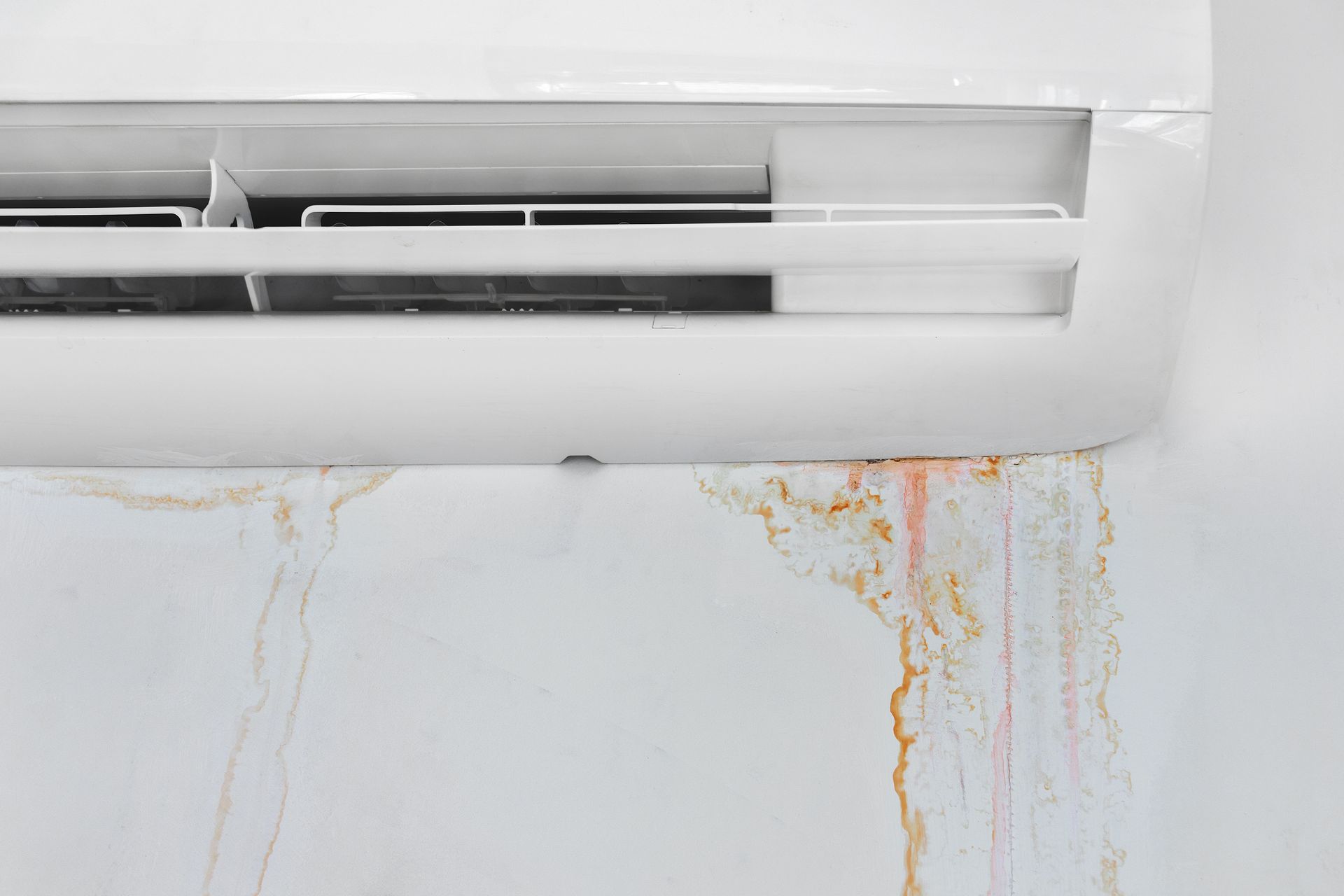
- New condensate drain line and float safety switch. Reusing a partly blocked line on a new system is how a brand-new install ends up dripping through a ceiling. We wrote about that failure mode in what causes a clogged AC drain line.
- Electrical disconnect, whip, and breaker check. New equipment often has different amperage requirements than the unit from 2009.
- Pad, hurricane tie-downs, and code-compliant anchoring. Broward County sits in the High-Velocity Hurricane Zone, so outdoor unit anchoring requirements there are stricter than in parts of Palm Beach County.
- Line-set flush or replacement. Moving from R-410A to a new refrigerant requires the line set to be properly cleaned or replaced.
- Removal and disposal of the old system.
- Labor warranty in writing. One year is common at the budget end. Two years or more is meaningfully better, and the labor warranty is what you actually use.
- Thermostat. Basic replacements reuse your existing one. Variable-speed systems usually require a communicating thermostat, which should be listed.
South Florida cost factors other guides skip
National calculators cannot see your street. These are the ones that move quotes in Boca Raton, Delray Beach, Pompano Beach, and Fort Lauderdale.
Salt air
A large share of homes in this market sit within a few miles of the ocean. Salt air chews through standard aluminum and copper coils, and it can take years off a system's life. Coastal-rated coils or a factory coil coating add to the upfront cost and are worth it east of the Intracoastal. If a beachside quote does not mention coil protection, ask why.
Attic air handlers and access
Plenty of homes here have the air handler in the attic or in a tight interior closet. Attic work in August adds crew hours, and a unit that has to come down a narrow stairwell is a different labor line than one sitting in a garage.
Condo and HOA rules
Condo replacements often involve building approval, elevator scheduling, restricted work hours, and rooftop or balcony placement. The equipment may be cheaper because the systems are smaller, but the logistics are not.
Duct condition
Ducts in an unconditioned South Florida attic are the weak link in most older homes. Leaky returns pull hot, humid attic air into the system, which raises your bill and leaves the house clammy even with new equipment. Sometimes the fix is sealing rather than full replacement, which is the cheaper path. Our
duct cleaning and sealing page covers how we assess that.
Repair or replace: the break-even math
A simple rule beats a gut feeling. Take the repair estimate and compare it with the age of the system and the cost of replacement.
Repair usually wins when the system is under about 10 years old, the repair is a capacitor, contactor, blower motor, or sensor, the compressor is healthy, and the refrigerant is not leaking.
Replacement usually wins when the compressor has failed, the coil is leaking refrigerant, the system is over about 12 years old, or the repair costs more than roughly a third of a new system. Florida units live shorter lives than the national average, commonly 10 to 15 years, and closer to the low end near the coast.
The refrigerant angle now tips this decision earlier than it used to. A leaking R-410A system in 2026 means paying rising prices to recharge equipment that is one component failure away from replacement anyway. If your AC is limping,
AC repair is still the right first call, and a diagnostic tells you which side of the line you are on.
How to compare three quotes fairly
Get at least two, ideally three, and make them comparable before you look at the totals.
Ask each contractor for the tonnage and the load calculation behind it, the exact model numbers for both indoor and outdoor units, the SEER2 rating with the AHRI certificate, what the permit and inspection cost, the labor warranty length, and the list of what is excluded. The last question is the useful one, because the spread between quotes usually lives in the exclusions rather than the equipment.
Also check whether the sizing is a real calculation or a copy of the old unit's tonnage. Matching what is on your pad sounds safe, but the old system may have been oversized from the start, and oversizing in this climate leaves you cool and clammy. We cover that in detail in what size air conditioner you actually need.
If the total is the obstacle rather than the decision, we offer
financing options and post current
specials.
Get an itemized quote
We will measure your home, run the load calculation, and give you a written proposal with the model numbers, the SEER2 rating, the permit, and the warranty spelled out. If your current system has years left, we will tell you that instead of selling you a replacement.
Call Florida Cool at
(561) 286-3844 or
request a quote. We serve
Boca Raton,
Delray Beach,
West Palm Beach,
Deerfield Beach,
Pompano Beach,
Fort Lauderdale,
Coral Springs, and surrounding communities, with 24/7 emergency service.
Got Questions?
New AC cost FAQs
How much does a 3-ton AC unit cost installed in Florida?
Plan on roughly $6,500 to $10,500 for a straightforward 3-ton changeout at the code-minimum efficiency, including permit, disposal, and a new drain line. Adding variable-speed equipment, duct corrections, or coastal coil protection moves it up from there.
Why are my three quotes thousands of dollars apart?
Usually because they are not the same job. One may be base-tier single-stage equipment with no permit and a one-year labor warranty, another variable-speed with duct repairs and a longer warranty. Line the exclusions up side by side and the gap generally explains itself.
Is it cheaper to replace just the outdoor unit?
It is cheaper upfront and rarely a good idea. A new condenser paired with an old indoor coil will not deliver its rated efficiency, may not be an AHRI-certified match, and puts a warranty dispute in your future. With the refrigerant change, mixing old and new components is harder than it used to be.
How long does an AC replacement take?
Most straight changeouts are a single day, typically six to eight hours. Attic air handlers, electrical upgrades, condo logistics, or duct work push it to two days. Permits are pulled before the work and inspection happens after.
Should I wait until winter to replace my AC?
If your system is still running, yes, scheduling in a shoulder month usually saves money and gets you a better appointment window. If it has already failed in August, that choice is not really available, and a maintenance plan on the new system is the better way to avoid the same position again. See our maintenance plans for what that covers.
Recent Posts
Florida Cool Blog