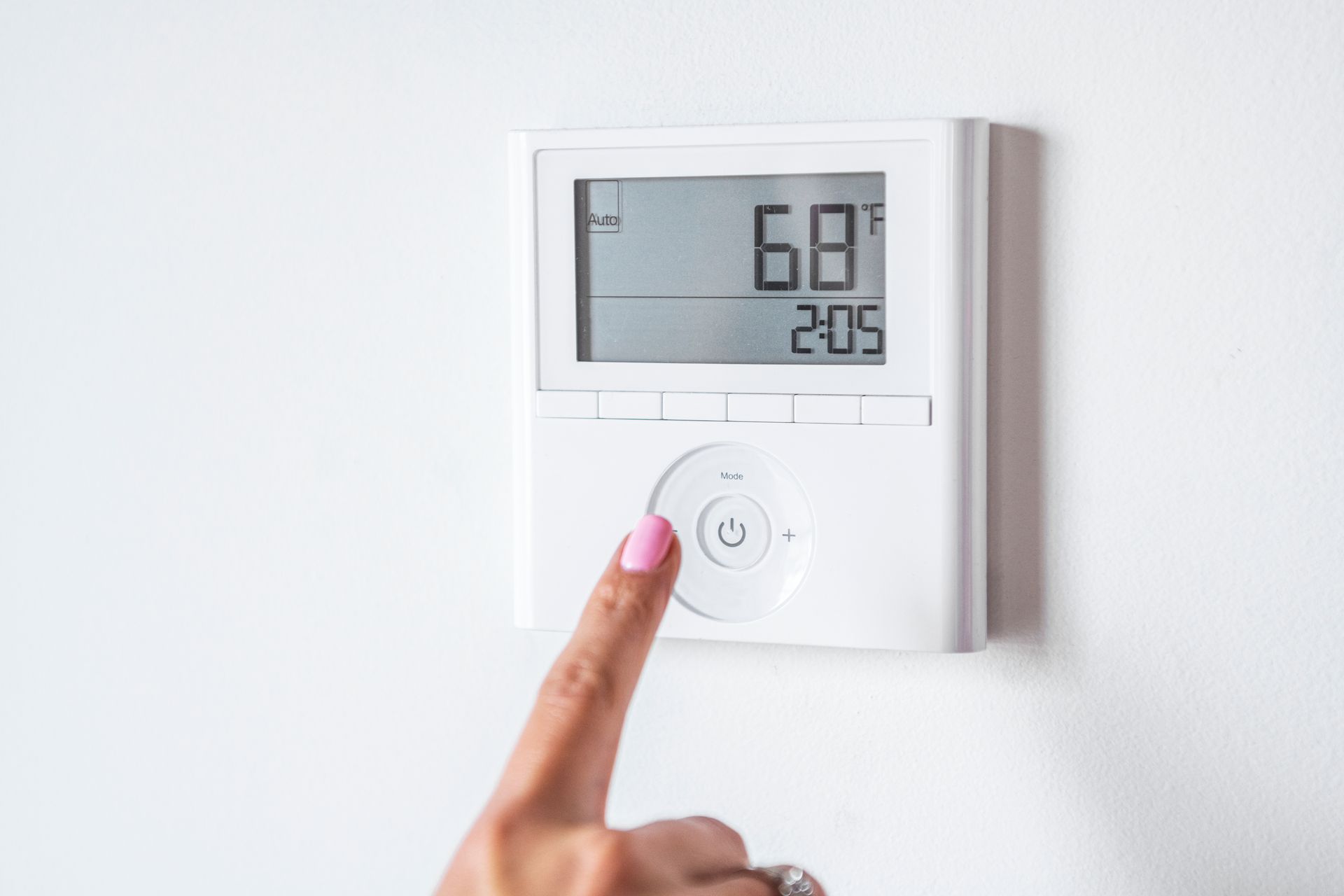
Smart thermostats are a revolutionary addition to modern homes, offering enhanced control and energy efficiency for heating and cooling systems. Unlike traditional thermostats, these devices connect to the internet, allowing users to remotely manage their HVAC systems through smartphones, tablets, or computers. Understanding smart thermostats is essential for harnessing their full potential in terms of comfort, convenience, and energy savings.
Features and Bendefits:
Smart thermostats offer a wide range of features and benefits. These include:
- Remote Access:
Control your thermostat from anywhere, ensuring your home is comfortable when you arrive.
- Learning Algorithms:
Some models learn your preferences and schedule, automatically adjusting settings for optimal comfort and efficiency.
- Energy Tracking:
Monitor energy consumption and receive insights on how to reduce energy bills.
- Integration: Compatibility with smart home platforms like Amazon Alexa, Google Assistant, and Apple HomeKit for voice control and automation.
- Geofencing: Adjust settings based on your location, so your HVAC system operates efficiently when you're away.
- Alerts and Notifications: Receive alerts for maintenance reminders, extreme temperature changes, or system issues.
- Energy Efficiency: Smart thermostats can help reduce energy consumption by optimizing heating and cooling cycles.
Installation and Compatibility:
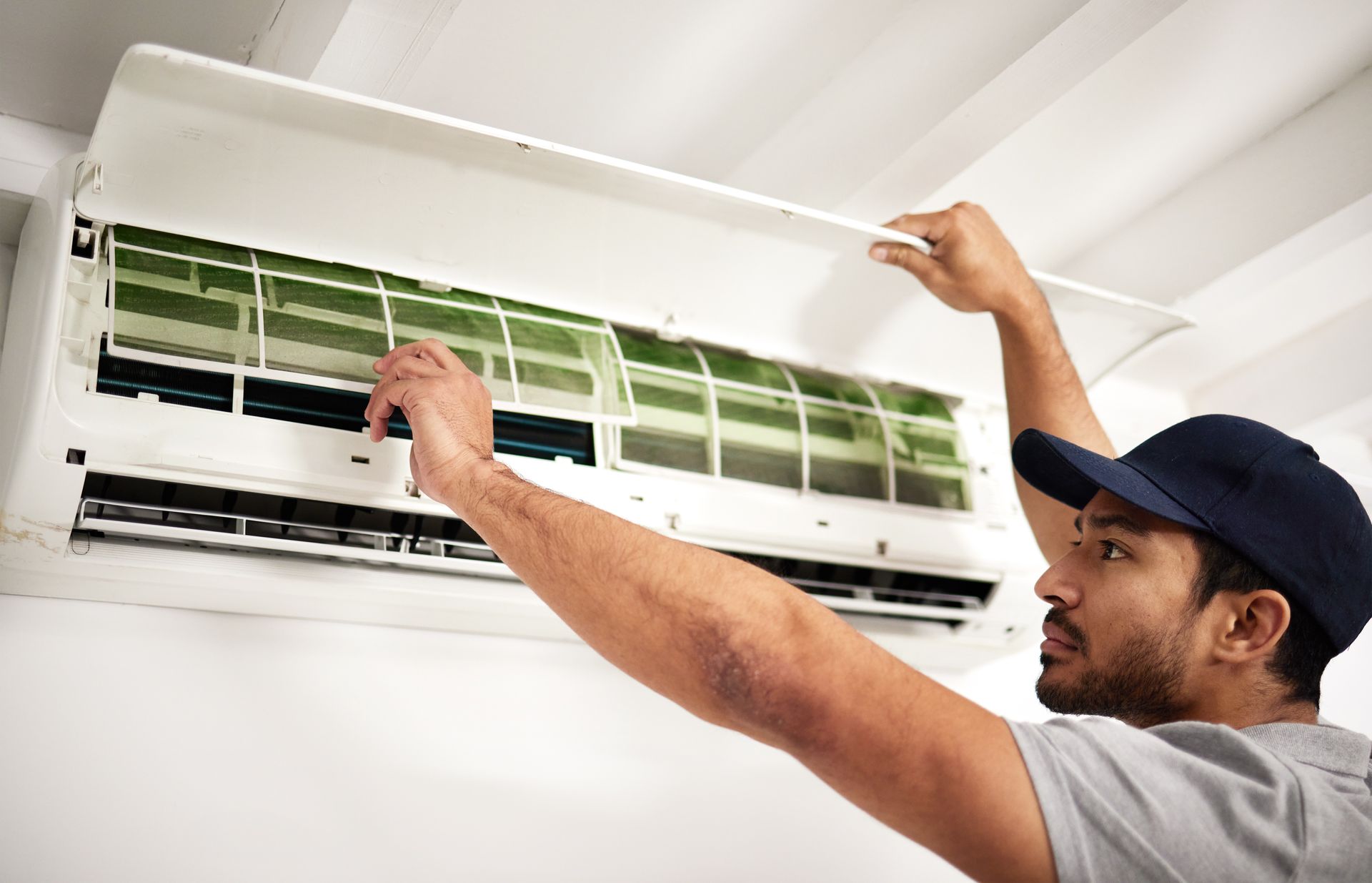
Installing a smart thermostat is generally straightforward, and many homeowners can do it themselves. However, it's important to ensure compatibility with your HVAC system. Before purchasing, check if your system is compatible with the smart thermostat you have in mind. Some systems may require professional installation, particularly if they involve more complex setups or older HVAC systems. Consult the manufacturer's guidelines or consider professional assistance if you're unsure.
Setting Up and Using a Smart Thermostat:
Once installed, setting up and using a smart thermostat is user-friendly. Download the companion app to your smartphone or tablet, create an account, and follow the setup instructions provided. Typically, you'll connect the thermostat to your Wi-Fi network and input your preferences, such as desired temperature ranges and scheduling. After setup, you can control your thermostat remotely, adjust settings, create schedules, and even receive real-time energy usage data through the app or via voice commands if integrated with a virtual assistant.
Maximizing Energy Savings:
One of the primary advantages of smart thermostats is their ability to save energy and reduce heating and cooling costs. To maximize energy savings, consider the following:
- Use scheduling: Set your thermostat to adjust temperatures when you're away or sleeping.
- Take advantage of geofencing: Automatically adjust settings when you leave or return home.
- Enable learning features: Let the thermostat learn your preferences and adapt to your routine.
- Monitor energy reports: Review energy usage data to identify opportunities for further efficiency improvements.
- Regularly update firmware: Keep your smart thermostat's software up to date to access new features and improvements.
In conclusion, smart thermostats are an integral part of a modern, energy-efficient home. They offer a wide array of features and benefits, from remote access and learning algorithms to energy tracking and integration with other smart devices. Understanding how to install and use these devices effectively can significantly enhance your comfort, convenience, and energy savings. Consider investing in a smart thermostat to take control of your HVAC system and enjoy the benefits of a more comfortable and efficient home.