
How Long Do Air Conditioners Last in Florida?
October 9, 2026
or give us a call at
Most central air conditioners in South Florida last about 10 to 15 years, which is shorter than the 15 to 20 years often quoted for cooler parts of the country. Florida systems run for far more hours each year, battle constant humidity, and in coastal areas face salt air that corrodes outdoor coils. A well-sized, well-installed system with regular maintenance can reach the upper end of that range, while a coastal unit with skipped maintenance may struggle to reach 10. Once a system passes about 12 years and needs a major repair, replacement is often the better investment.
Florida Cool is a family-owned HVAC company based in Boca Raton, licensed as a Class B Certified Air Conditioning Contractor (License #CAC1824283), serving homes across Palm Beach and Broward Counties with repair, replacement, and maintenance. We see systems of every age in homes from Delray Beach to Coral Springs, and this guide explains what shortens and extends AC life in our climate.
In This Guide
- Why Florida AC Systems Wear Out Faster: Runtime, humidity, and salt.
- How Long Each AC Component Lasts: Parts wear at different rates.
- Lifespan by System Type: Straight cool, heat pumps, and more.
- Condos, Attics, and Air Handler Location: Where equipment sits.
- What Shortens an AC's Life: Common culprits.
- Signs Your AC Is Near the End: What to watch for.
- Repair or Replace?: How to decide.
- Older Systems and Refrigerant Changes: R-22 and newer refrigerants.
- Warranties and Insurance on Aging Systems: What still covers you.
- How to Make Your AC Last Longer: Practical steps.
- Frequently Asked Questions: Quick answers.
Why Florida AC Systems Wear Out Faster
An air conditioner's lifespan depends less on its age in years and more on how hard it works. In South Florida, it works hard almost all year.
Year-Round Runtime
In much of the country, an AC runs a few months each summer. Here, it runs nearly every day for most of the year, and for long stretches in summer. More operating hours means more wear on the compressor, fan motors, and electrical parts.
Humidity
Florida systems do double duty, cooling the air and pulling moisture out of it. Constant condensation keeps drain lines, drain pans, and indoor coils wet, which encourages algae, mold, and corrosion.
Salt Air
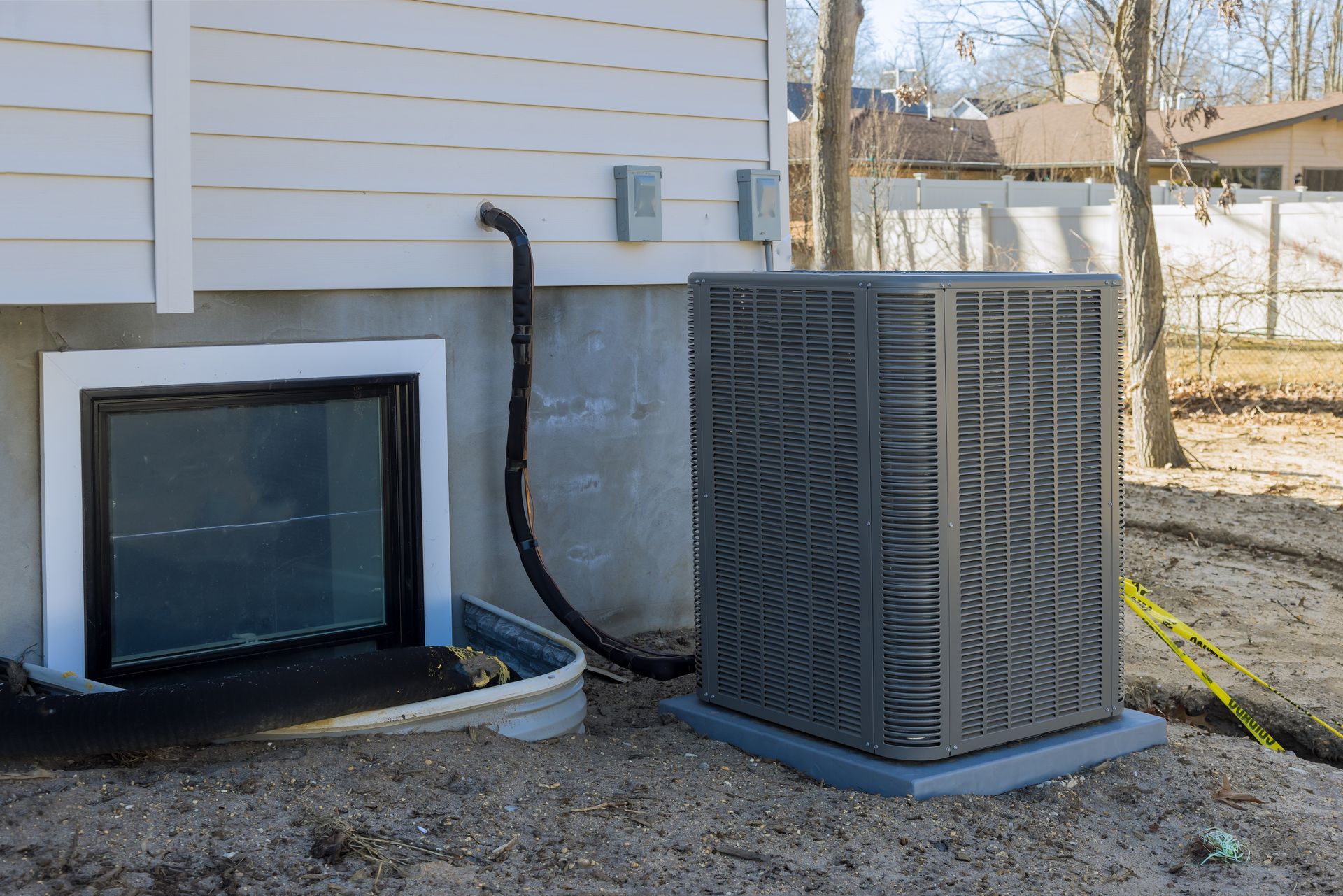
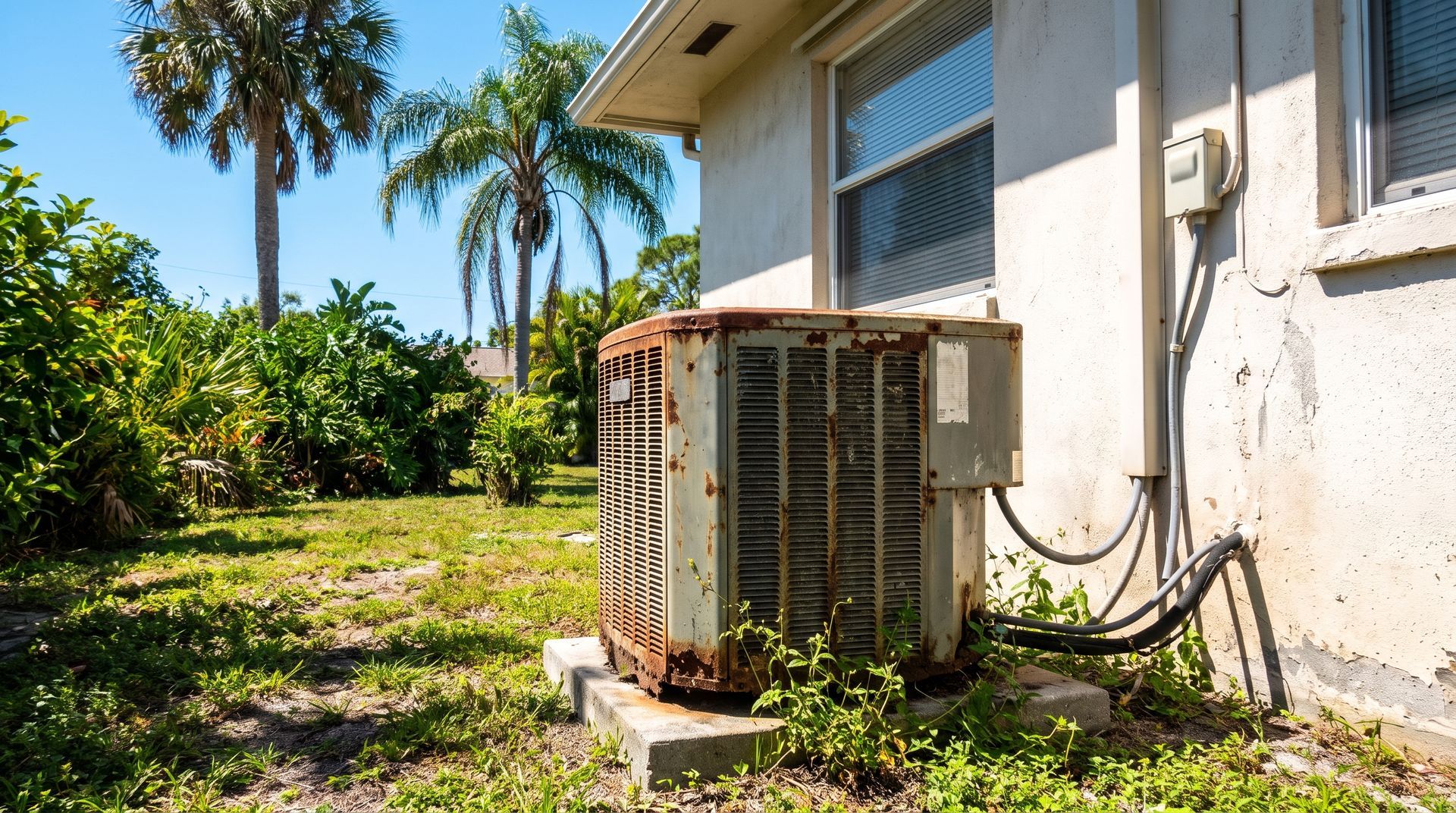
In coastal neighborhoods along A1A, the Intracoastal, and the barrier islands, salt in the air settles on outdoor condenser coils and electrical connections. Over time, it corrodes aluminum fins and copper tubing and can cause refrigerant leaks. Coastal systems often wear out years sooner than identical units a few miles inland.
Storms and Power Surges
South Florida's frequent lightning and hurricane-season power fluctuations can damage capacitors, control boards, and compressors. Flooding can damage outdoor units sitting on low pads.
How Long Each AC Component Lasts
An AC system is a group of parts, and they do not all wear out at the same time.
| Component | Typical Life in South Florida | Notes |
|---|---|---|
| Capacitors and contactors | Often a few years | Inexpensive, common repair items |
| Condenser fan motor | Several years to a decade | Works hard in summer heat |
| Blower motor | Roughly 10 years or more | Lasts longer with clean filters |
| Evaporator coil | About 8 to 15 years | Vulnerable to corrosion and leaks |
| Condenser coil | About 8 to 15 years | Shorter near the coast |
| Compressor | About 10 to 15 years | The most expensive part to replace |
| Ductwork | Often 15 to 25 years | Attic heat and leaks shorten life |
These are general ranges, not guarantees. A failing compressor or a leaking coil on an older system is usually the point where replacement makes more sense than repair.
Lifespan by System Type
The type of system you have also affects how long it lasts.
Straight Cool Systems With Heat Strips
Many South Florida homes have straight air conditioners with electric heat strips for the few cool nights each year. Since the outdoor unit only runs in cooling mode, and the heat strips are rarely used, these systems often follow the typical 10 to 15 year range.
Heat Pumps
Heat pumps both cool and heat, so the outdoor unit runs in winter too. In South Florida, heating demand is light, so the extra wear is modest, but heat pumps also have a reversing valve and defrost controls that can add repair points as they age.
Ductless Mini-Splits
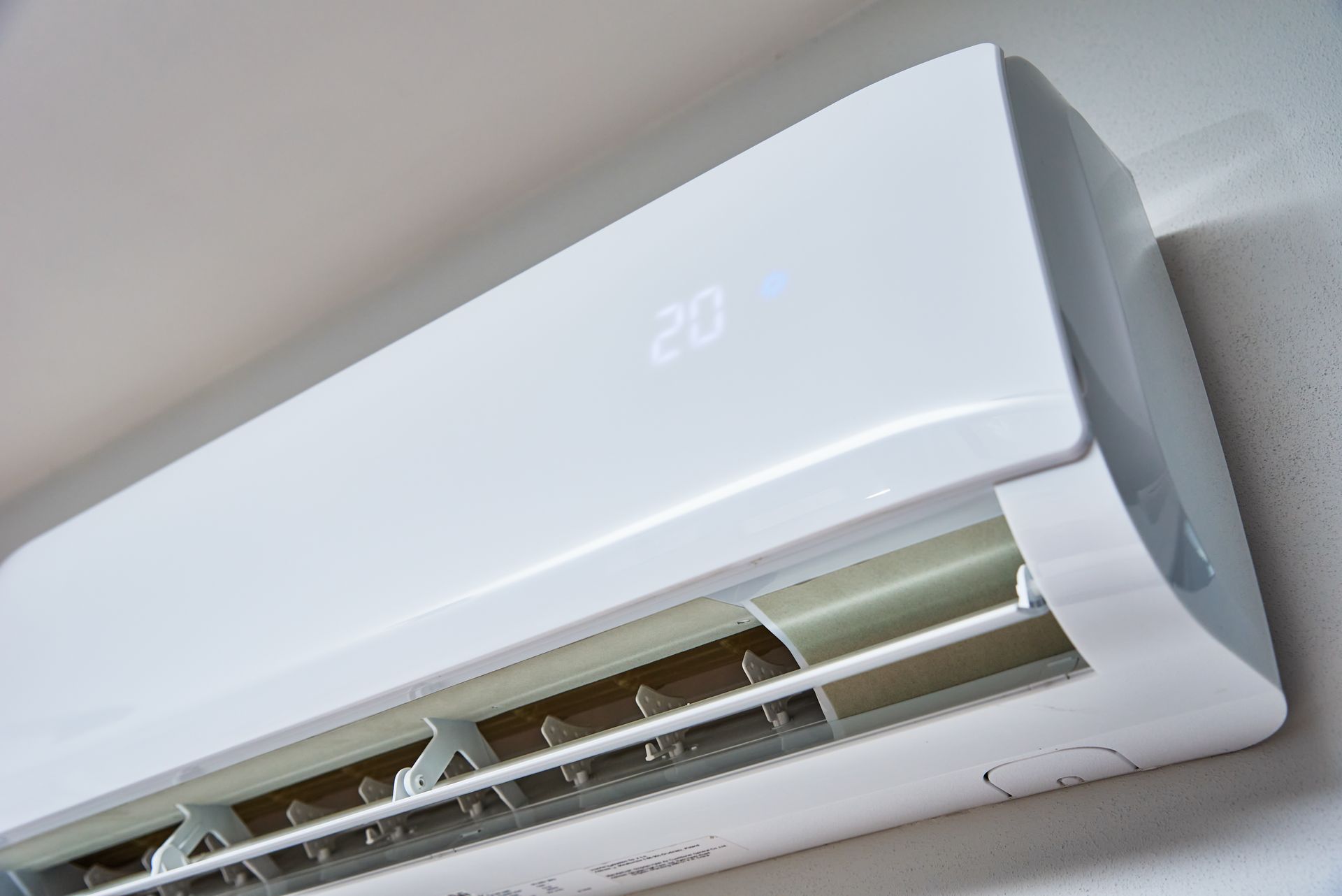
Ductless systems are common in additions, garages, and converted spaces. Their lifespan is often similar to central systems when maintained, but their indoor heads need regular cleaning in our humidity to prevent mold and odor.
Package Units
Package units, with all components in one outdoor cabinet, are common on some homes and commercial buildings. Because everything is outdoors, they take the full brunt of sun, rain, and salt air.
Condos, Attics, and Air Handler Location
Where the indoor equipment sits makes a difference.
Attic Air Handlers
Many single-family homes in Boca Raton and Delray Beach have air handlers in the attic, where summer temperatures soar. Heat stresses the blower motor, wiring, and ductwork, and drain problems in the attic can cause ceiling damage. Good access and a working float switch matter.
Closet Air Handlers in Condos
In condos and townhomes, air handlers usually sit in an interior closet, with the condenser on a roof, balcony, or ground pad. Rooftop and balcony condensers in coastal buildings are especially exposed to wind and salt. Condo associations often have rules about replacement equipment and placement, which can affect timing and cost.
Ductwork
Leaky or poorly insulated ducts in hot attics make the system run longer to cool the home. Sealing and maintaining ducts reduces that strain. Learn more about our
duct cleaning and sealing services.
What Shortens an AC's Life
Beyond climate, these are the most common reasons we see systems fail early:
- Skipped maintenance, which lets dirt, clogged drains, and small electrical problems build into major failures.
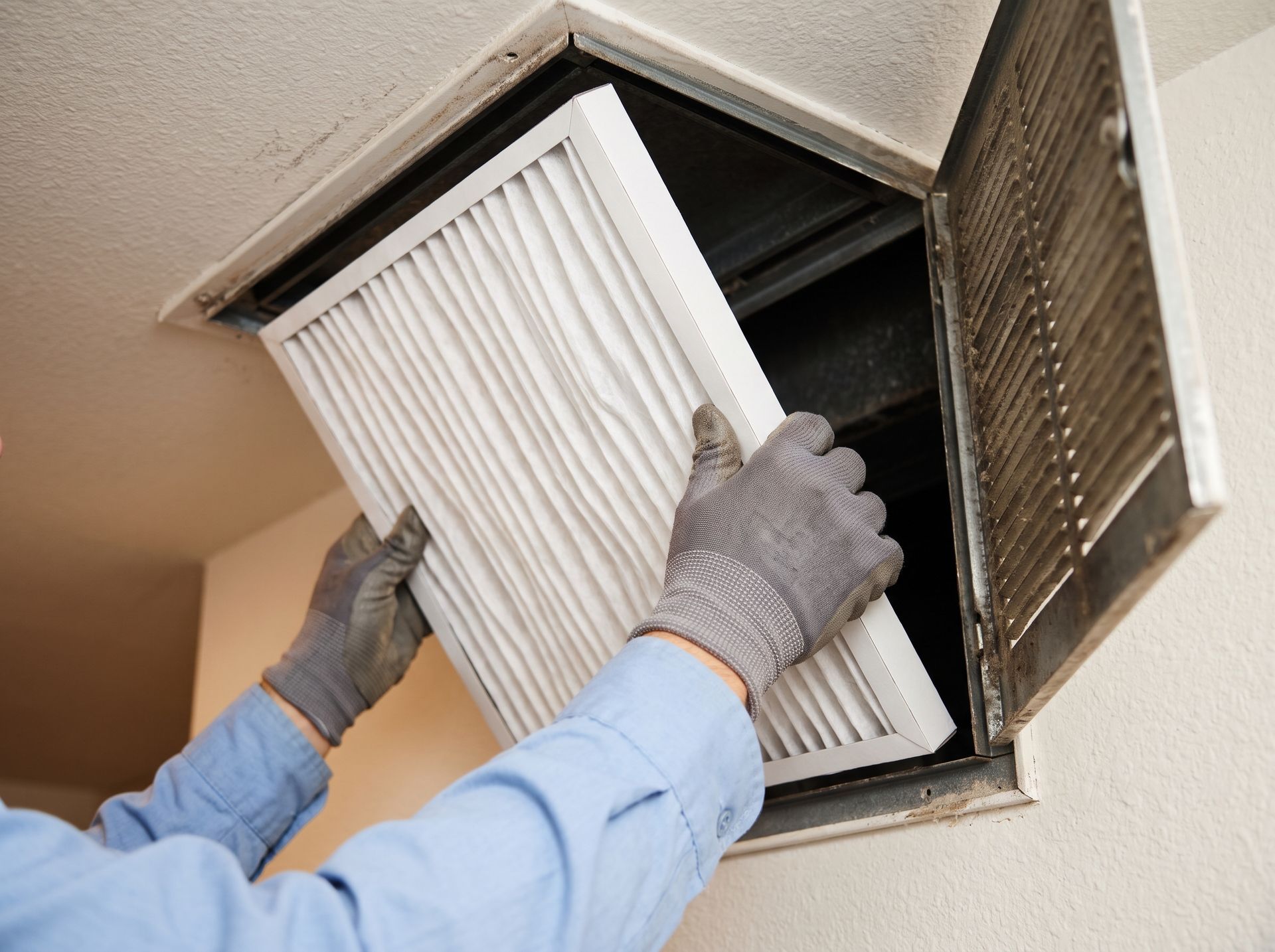
- Dirty air filters that make the blower work harder and can freeze the indoor coil.
- An oversized system that cools quickly and shuts off, a pattern called short cycling, which adds wear and leaves humidity behind. Our guide on what size air conditioner you need explains proper sizing.
- Poor installation, including incorrect refrigerant charge, undersized ductwork, or improper drainage.
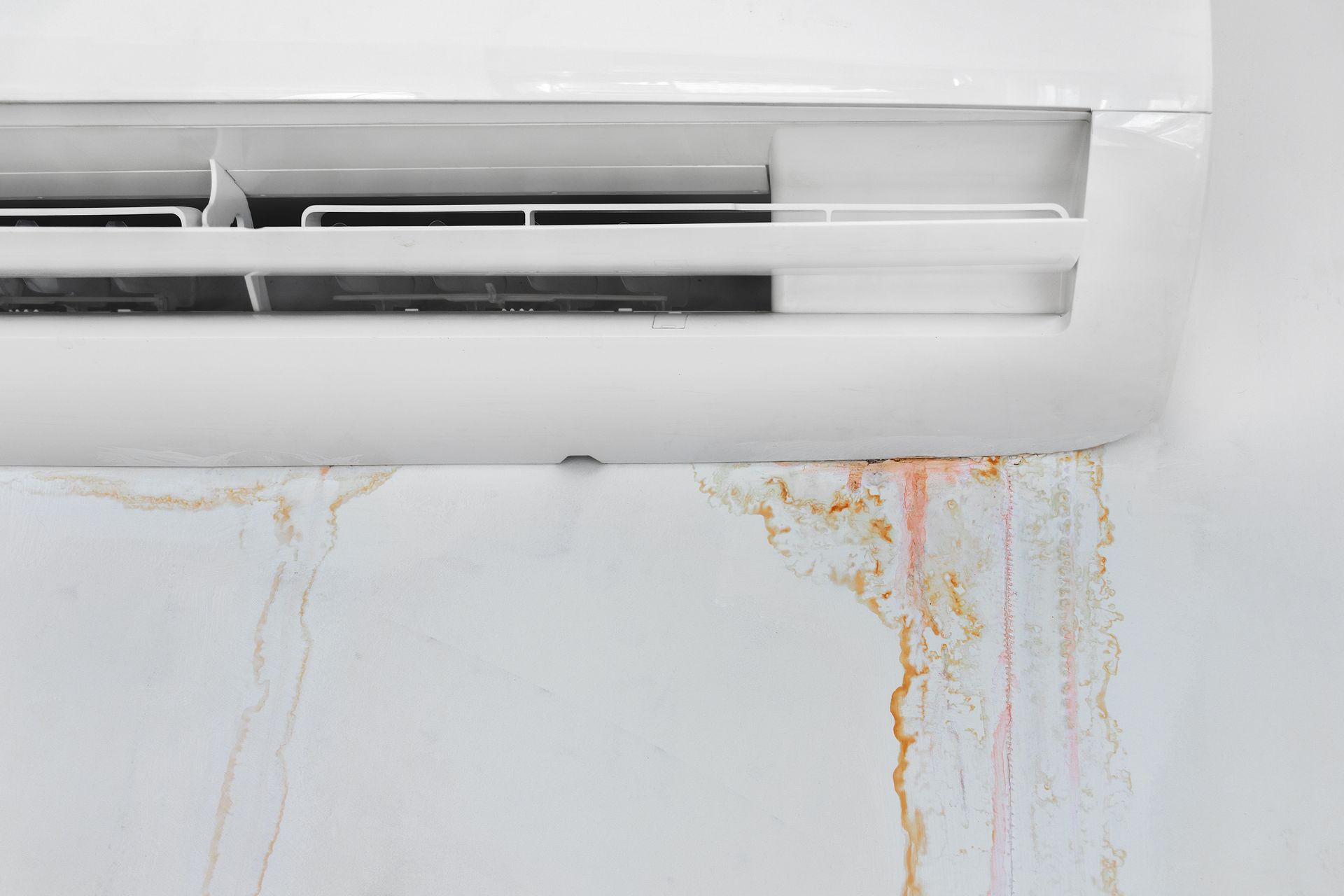
- Clogged condensate drains that cause water damage and safety switch shutdowns. See our guide to a clogged AC drain line.
- Refrigerant leaks that make the compressor run hot and strain.
- Setting the thermostat very low for long periods, which keeps the system running constantly. Our guide to the best AC temperature for South Florida offers practical settings.
Signs Your AC Is Near the End
Age alone does not mean a system needs replacing, but these signs suggest it is getting close:
- The system is 12 years or older and repairs are becoming frequent.
- Rising electric bills without a change in how you use the AC.
- Rooms that never get comfortable, or the system runs constantly on hot days.
- High indoor humidity, sticky air, or musty smells.
- Repeated refrigerant leaks or a coil that keeps needing repair.
- Loud noises, such as grinding, banging, or buzzing from the outdoor unit.
- Visible corrosion on the outdoor coil and cabinet.
- The system uses R-22 refrigerant, which is no longer produced.
If your AC is running but not cooling well, start with our guide to
an AC running but not cooling, since some causes are simple fixes.
Repair or Replace?
Deciding when to stop repairing an older system is one of the most common questions we hear.
When Repair Usually Makes Sense
A repair is usually worth it when the system is under about 10 years old, the problem is a smaller part like a capacitor, contactor, fan motor, or sensor, the compressor is healthy, and there is no ongoing refrigerant leak.
When Replacement Usually Makes More Sense
Replacement often makes more sense when the compressor has failed, the coil is leaking, the system is over about 12 years old, or the repair would cost a large share of a new system. Many contractors use roughly a third of replacement cost as a reasonable break-even point. Our guide to new air conditioner cost in Florida covers current pricing.
Timing Matters
Replacing a system before it fails completely lets you schedule installation in a cooler month, compare quotes, and avoid an emergency replacement during a July heat wave, when demand and prices are highest.
Older Systems and Refrigerant Changes
Refrigerant rules affect how long it makes sense to keep an older system.
R-22 Systems
Systems installed before about 2010 often use R-22 refrigerant, which is no longer produced in the United States. Remaining supplies are limited and expensive, so a refrigerant leak on an R-22 system is often a signal to replace rather than repair.
R-410A and Newer Refrigerants
Many systems installed since then use R-410A. Federal rules are phasing down refrigerants like R-410A, and new residential systems now use lower-impact refrigerants. Existing R-410A systems can still be serviced, but repair costs may rise over time as supplies tighten.
Warranties and Insurance on Aging Systems
Manufacturer Warranties
Most new systems come with a parts warranty from the manufacturer, often longer when the equipment is registered after installation. Those warranties usually cover parts only, not labor, and they generally require proper installation and maintenance. On a system that is 10 or more years old, the parts warranty has often expired, which shifts the full cost of major repairs to the homeowner.
Homeowners Insurance
Homeowners insurance typically does not cover an AC that wears out from age. It may cover damage from a sudden covered event, such as a lightning strike or a fallen tree, depending on your policy. Keeping maintenance records helps show that a failure was not caused by neglect.
How to Make Your AC Last Longer
You cannot change the climate, but you can control many of the factors that shorten AC life.
Schedule Regular Maintenance
In South Florida, we recommend professional maintenance at least twice a year because systems run so many hours. Our guide to what AC maintenance includes walks through a complete tune-up checklist, and a maintenance plan can make it automatic.
Change Filters Often
Check filters monthly and replace them when dirty. In homes with pets, construction dust, or heavy use, filters may need changing more often.
Keep the Drain Line Clear
A clean condensate line prevents water damage and shutdowns. Professional cleaning during maintenance helps prevent algae buildup.
Protect Coastal Equipment
Near the coast, rinsing the outdoor coil gently with fresh water and using corrosion-resistant coatings or coastal-rated equipment can extend life significantly.
Protect Against Surges
A surge protector for the outdoor unit or the whole home can help guard against lightning and grid fluctuations.
Keep the Outdoor Unit Clear
Trim shrubs back and keep leaves, grass clippings, and debris away from the condenser so it can breathe. Aim lawn sprinklers away from the unit too, since hard water and fertilizer residue build up on the coil.
Get a Clear Assessment of Your AC
If your system is getting older or giving you trouble, our team can inspect it and give you a clear recommendation on whether repair or replacement makes more sense. Learn more about our AC repair and AC installation services, explore financing options, or read customer reviews.
Call Florida Cool at (561) 264-5286 or
contact us. We serve Boca Raton and communities across Palm Beach and Broward Counties, with 24/7 emergency service.
Got Questions?
Frequently Asked Questions
How long do AC units last in Florida?
Most central AC systems in South Florida last about 10 to 15 years. Heavy year-round use, humidity, and salt air near the coast make Florida lifespans shorter than in cooler climates. Regular maintenance helps systems reach the upper end of that range.
Is it worth repairing a 15-year-old AC in Florida?
Usually not for major repairs. At 15 years, a system is at or past typical Florida lifespan, and a failed compressor or leaking coil generally makes replacement the better value. Small, inexpensive repairs can still make sense to get through a season.
Do AC units last shorter near the ocean?
Yes. Salt air corrodes outdoor coils and electrical connections, which can shorten lifespan by several years. Coastal-rated equipment, protective coatings, and regular coil rinsing help.
How can I tell how old my AC is?
The manufacture date is often listed on the data plate of the outdoor unit or encoded in the serial number. A technician can identify the age during a maintenance visit.
Does regular maintenance really extend AC life?
Yes. Maintenance keeps coils clean, drains clear, refrigerant levels correct, and electrical parts tested, which reduces strain on the compressor and catches small problems before they cause major failures.
Recent Posts
Florida Cool Blog