Thin red curved line on a white background, like a brushstroke or underline

Why Is My Air Conditioner Leaking Water? 8 Likely Causes

August 28, 2026

or give us a call at

Share this article:

New Title

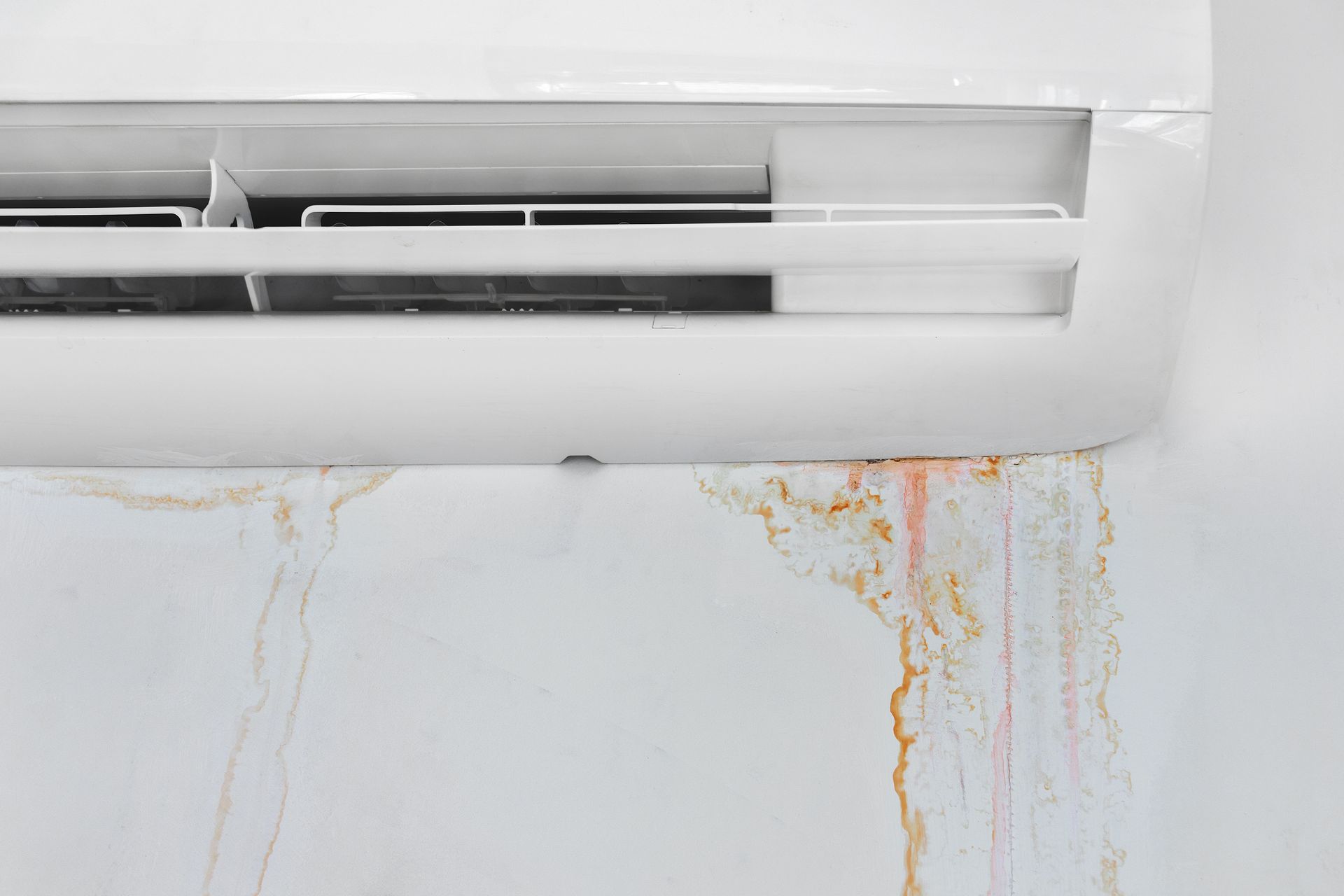
If water is dripping from your indoor AC unit, the most likely causes are a clogged condensate drain line, a cracked or rusted drain pan, a frozen evaporator coil that is thawing, or a dirty air filter that caused that freeze. Water pooling inside your home is not normal, and because it can lead to mold and water damage fast in our climate, it is worth acting on quickly.


At Florida Cool, we are a family-owned HVAC company serving Boca Raton and the surrounding Palm Beach and Broward County communities, with 24/7 emergency service. We diagnose and fix leaking AC systems across South Florida year round, so this guide reflects the causes we actually find, not a generic checklist.


In This Guide


Is It Normal for an AC to Leak Water?

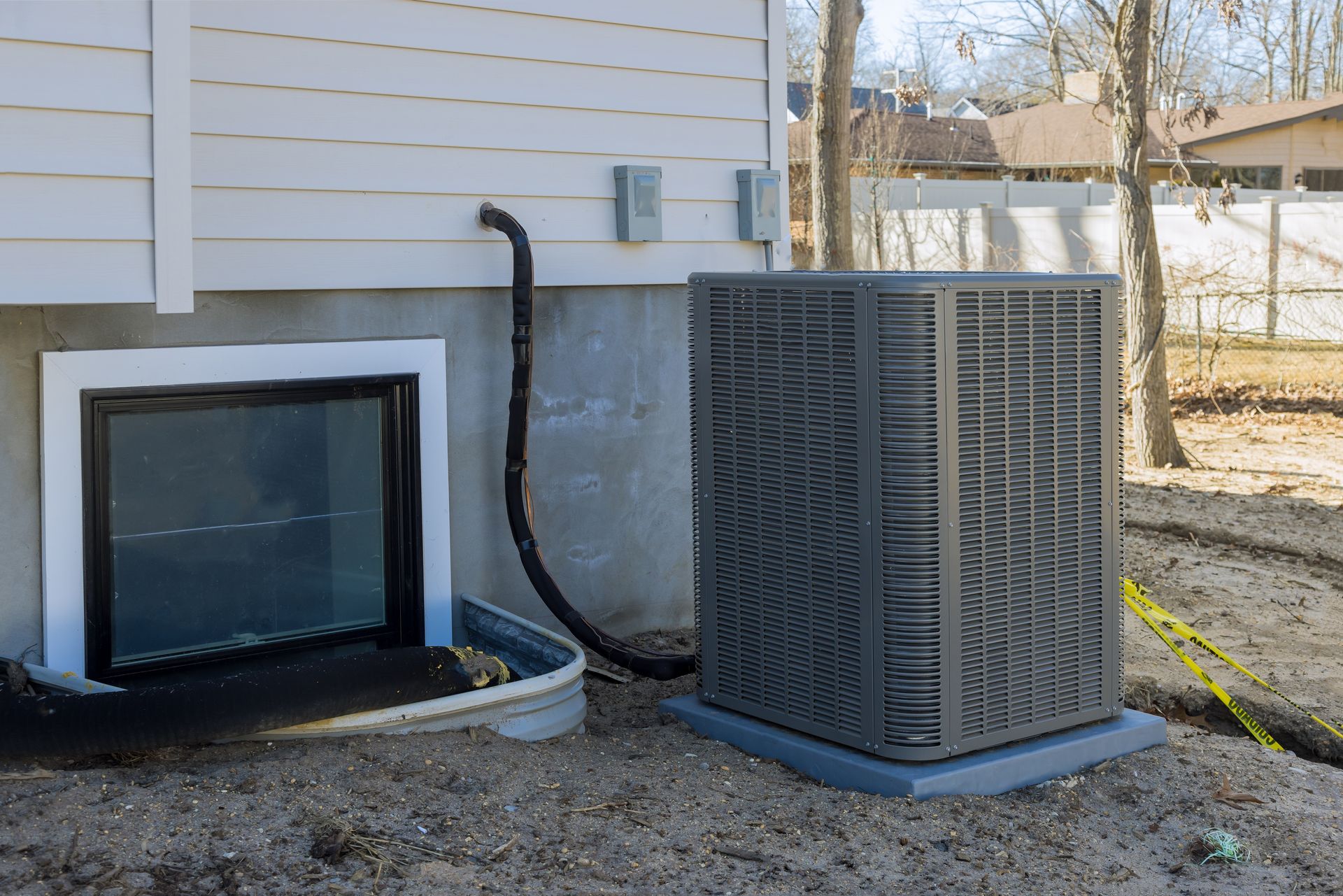
Some water is normal, but only in the right place. Your air conditioner constantly pulls humidity out of the air, and that moisture condenses into water that should drain safely outside through the condensate line. Seeing a little water dripping from the outdoor pipe on a humid day is completely normal.


What is not normal is water inside your home, around the indoor air handler, in the drain pan, or on the ceiling below an attic unit. That means the water your system is producing is not draining the way it should, and it is escaping where it can cause damage. Indoor water is always worth investigating. The faster you catch it, the more likely the fix is a simple one rather than a repair that also involves drywall, flooring, or mold remediation.


8 Common Causes of an AC Leaking Water

Almost every indoor AC leak traces back to one of the causes below. Several are related, since a single problem like a dirty filter can set off a chain that ends in a puddle.


1. Clogged Condensate Drain Line

This is the number one cause. Over time the drain line fills with algae, mold, and debris, water backs up, and it overflows the drain pan into your home. Because it is so common in our humid climate, we cover it in depth in our guide on a clogged AC drain line, including the warning signs and safe next steps.


2. Cracked or Rusted Drain Pan

The drain pan sits under the evaporator coil to catch condensation. On older systems the pan can rust through or crack, so water drips straight past it instead of draining away. A failing pan usually means the leak returns until the pan is replaced.


3. Frozen Evaporator Coil

When the evaporator coil freezes into a block of ice and then thaws, it releases far more water than the pan and line can handle, and it overflows. A frozen coil often shows up first as an AC that is running but not cooling, so the leak and the weak cooling are two symptoms of the same problem.


4. Dirty Air Filter

A clogged filter restricts airflow across the evaporator coil, which can drop the coil temperature until it freezes, leading straight back to cause number three. This is why a neglected filter is behind so many leaks, and why replacing it on schedule is the simplest prevention there is.


5. Broken Condensate Pump

Systems that cannot drain by gravity, such as those in a closet or basement, rely on a condensate pump to push water out. If that pump fails, the water it should be moving has nowhere to go and backs up into your home.


6. Low Refrigerant

Low refrigerant drops the pressure in the system and lowers the coil temperature, which, like a dirty filter, can freeze the coil and cause an overflow when it thaws. Low refrigerant points to a leak in the sealed system, which is a repair for a licensed technician, not a DIY fix.


7. Disconnected or Improperly Installed Drain Line

If the drain line was never sloped correctly, was installed loosely, or has worked its way disconnected, water will not flow out as designed and can spill at the connection. Installation quality has a long tail, and a poorly routed line can leak for years until it is corrected.


8. High Humidity and Poor Insulation

In extreme humidity, an AC produces so much condensation that any small drainage weakness becomes a leak, and uninsulated or poorly insulated lines can sweat and drip on their own. This is very much a South Florida issue, which we come back to below.

Common Cause Typical Sign What to Do
Clogged drain line Water near the air handler, musty smell Shut off AC, call for drain cleaning
Frozen or dirty-filter freeze Ice on the coil, weak cooling, then water Turn off AC, replace filter, let it thaw
Cracked drain pan or bad pump Recurring drips despite a clear line Have the pan or pump replaced

What to Do When Your AC Is Leaking

A leak calls for a few quick steps to limit damage before a technician arrives. Acting fast protects your floors, drywall, and the system itself.


  1. Turn off the AC at the thermostat, which stops it from producing more water and prevents further damage while you sort out the cause.
  2. Soak up standing water with towels or a wet/dry vacuum to protect flooring and stop it from spreading.
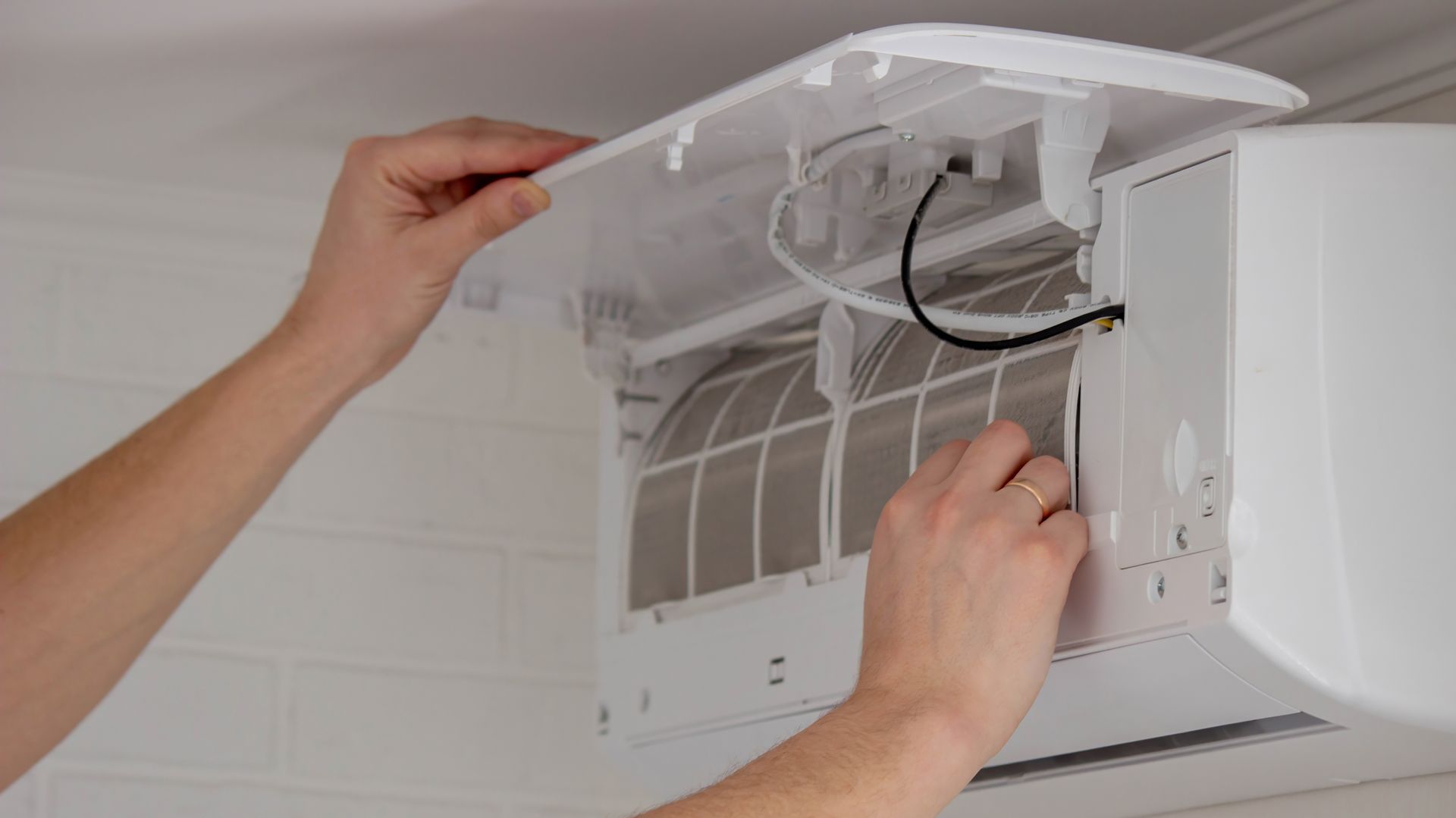
  3. Check and replace the air filter if it is dirty, since that is the easiest fix and a frequent trigger.
  4. Look for ice on the coil or lines, and if you see it, leave the system off and let it thaw fully before anything else.
  5. Call a professional for anything beyond the filter, especially a clogged line, a bad pan or pump, or suspected low refrigerant.


The refrigerant-related and drainage repairs are not DIY jobs. Refrigerant in particular is regulated and requires a licensed technician, so leave the sealed system to a pro.


Why AC Leaks Are Common in South Florida

Our climate makes AC water leaks more frequent here than almost anywhere else. The reason is simple: heat and humidity mean your system runs hard nearly year round, pulling enormous amounts of moisture out of the air every day.


That constant moisture has two effects. It gives the system far more condensation to drain, so any weak point in the drain line or pan shows up quickly, and the warm, damp, dark inside of a condensate line is the perfect place for the algae and mold that clog it. A drain line that might last a long time in a dry climate can clog in a single season here. This is why routine drainage maintenance matters so much in South Florida, and why we treat the drain line as a priority during a maintenance tune-up.


What You Can Handle vs. When to Call a Pro

Not every AC leak needs a technician, but knowing the line saves you from either overpaying for a filter change or making a real problem worse. The rule of thumb is that anything involving airflow you can check yourself, while anything inside the sealed system or the drainage needs a pro.


On the do-it-yourself side, you can safely check and replace a dirty air filter, confirm the thermostat is set correctly, look for ice on the coil and let it thaw, and clear obvious debris from around the outdoor unit. These are the airflow-related basics, and a surprising share of leaks clear up once a clogged filter is replaced and a frozen coil thaws.


Everything else is a professional job. Clearing a stubborn or recurring drain clog, replacing a cracked pan or failed condensate pump, and anything involving refrigerant all call for a technician with the right tools and licensing. Refrigerant in particular is regulated and can be hazardous, so it is never a DIY task. If a leak returns after you have handled the filter, that is the signal to call rather than keep chasing it.


How to Prevent AC Water Leaks

Most leaks are preventable with a little routine care aimed squarely at drainage and airflow. These habits stop the large majority of them.


  • Change your air filter regularly, every one to three months, to keep airflow up and the coil from freezing.
  • Have the condensate line cleared during maintenance, since a proactive flush prevents the clogs that cause most leaks.
  • Schedule seasonal professional maintenance, which catches a failing pan, weak pump, or low refrigerant before it floods.
  • Keep the area around the indoor unit clear so you can spot early drips before they become damage.
  • Address any leak promptly, because a small drip today is far cheaper than repairing water-damaged floors and drywall later.


A maintenance plan takes this off your plate by scheduling the drainage and airflow checks that prevent leaks in the first place.


Leaking AC? Florida Cool Can Help

A leaking air conditioner rarely fixes itself, and in our humidity the water damage adds up fast. Our team finds the true source and fixes it, whether that is a clogged line, a failed pan or pump, or a frozen coil.


Call Florida Cool at (561) 264-5286 or contact us for service. We offer 24/7 emergency support and AC repair across Boca Raton, Palm Beach, and Broward County.


Got Questions?

Frequently Asked Questions

  • Is it dangerous if my AC is leaking water?

    The water itself is not dangerous, but the damage it causes can be. Left alone, an AC leak soaks drywall, flooring, and insulation and quickly grows mold in our humid climate. There is also a risk to the system, since some leaks come from a frozen coil or low refrigerant that will worsen. Turn the unit off and address it promptly.

  • Can I still run my AC if it is leaking water?

    It is best not to. Running a leaking system keeps producing water and can worsen the underlying problem, especially if the cause is a frozen coil or a failing drain. Turn it off at the thermostat, soak up the water, check the filter, and call for service rather than continuing to run it.

  • Why is my AC leaking water only sometimes?

    Intermittent leaks often point to a partially clogged drain line or a coil that freezes and thaws in cycles. The line drains until it backs up again, or the coil ices during a run and then overflows as it melts. Because the cause is still active, an intermittent leak usually becomes a steady one, so it is worth diagnosing early.

  • How much does it cost to fix an AC that is leaking water?

    It depends entirely on the cause. Clearing a clogged drain line or replacing a filter is a minor fix, while replacing a rusted drain pan, a failed condensate pump, or repairing a refrigerant leak costs more. A technician can identify the source and give you an accurate price, and catching it early keeps the repair on the smaller end.

  • How do I stop my AC from leaking water again?

    Focus on drainage and airflow. Change the filter on schedule, have the condensate line flushed during regular maintenance, and keep up with seasonal tune-ups that catch a weak pan or pump before it fails. In South Florida, having the drain line cleared proactively is the single most effective step, since our humidity clogs lines faster than almost anywhere.

Recent Posts

Florida Cool Blog

Hand turning a wall thermostat showing 68°F and 20.5°C
August 28, 2026
What is the best AC temperature for a South Florida summer? A Boca Raton HVAC team on the ideal setting, humidity, and how to stay cool without high bills.
Technician carrying a black toolbox beside outdoor HVAC units on gravel.
July 25, 2026
A clogged AC drain line causes leaks, musty smells, and shutdowns. Learn the warning signs, causes, and safe next steps to clear it in humid South Florida.
Technician cleaning a wall-mounted air conditioner filter indoors
July 25, 2026
Is your AC running but not cooling? The 9 most common causes, from dirty filters to low refrigerant, plus what to do about each in the hot Florida climate.
Woman using a laptop while seated in a gray armchair, with a large blue circular background.
April 24, 2025
Trying to service or understand your HVAC system on your own can be hard, which is why the experts at Florida Cool receive a lot of questions.
Woman smiling at a wall-mounted smart thermostat while holding a smartphone in a bright room
April 24, 2025
Smart thermostats are a revolutionary addition to modern homes, offering enhanced control and energy efficiency for heating and cooling systems. Unlike traditional thermostats, these devices connect to the internet, allowing users to remotely manage their HVAC systems through smartphones, tablets, or computers.